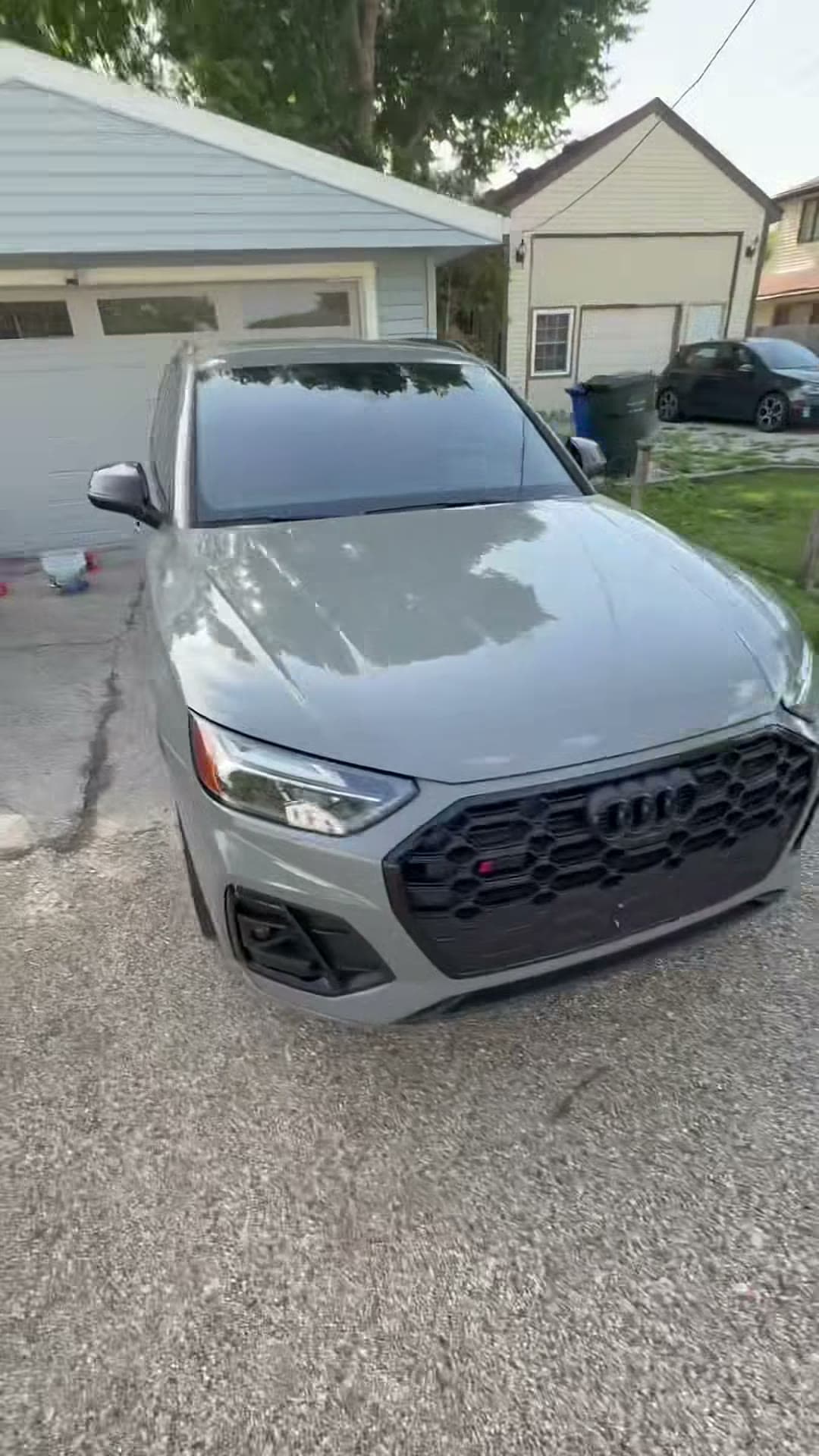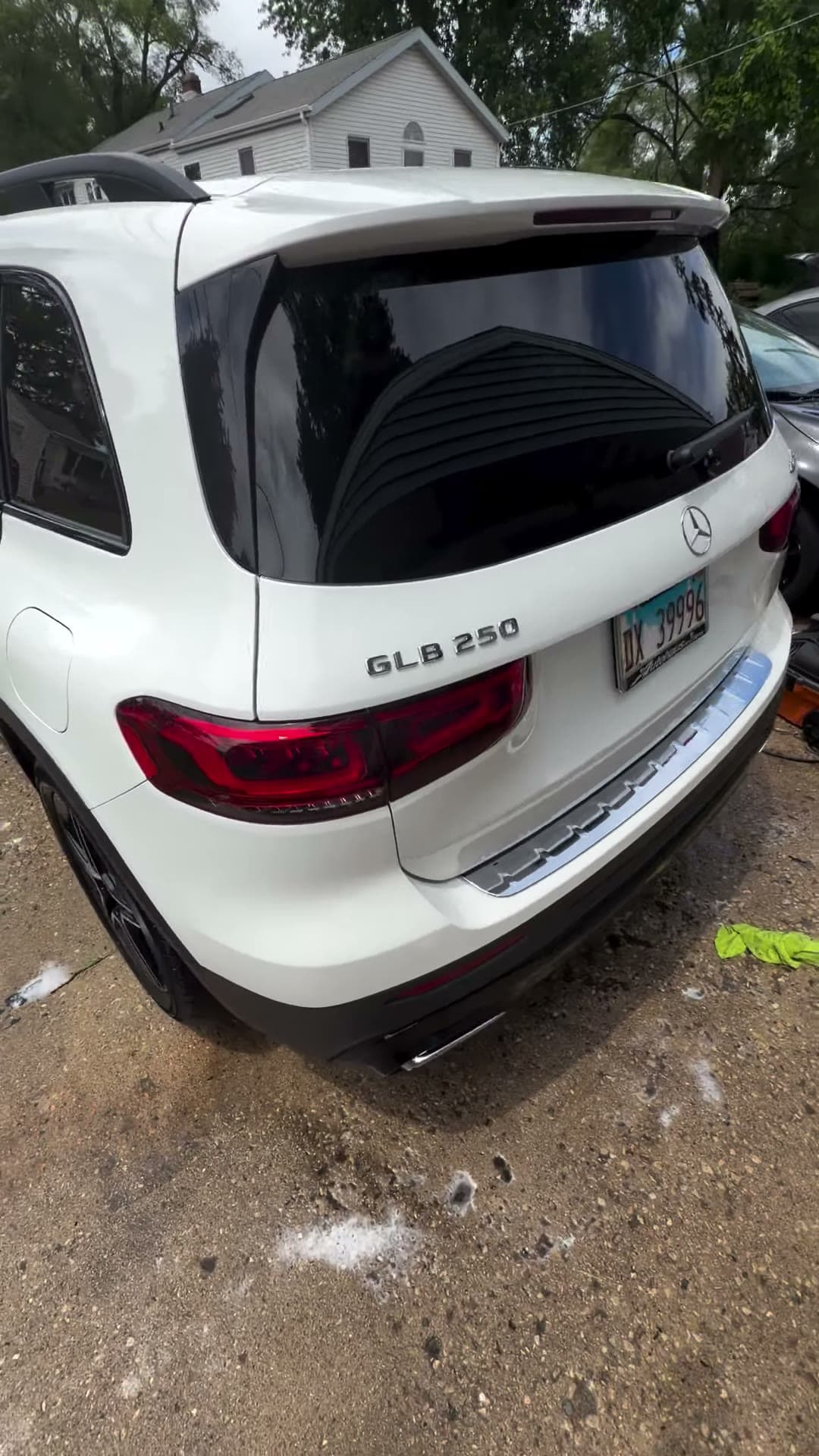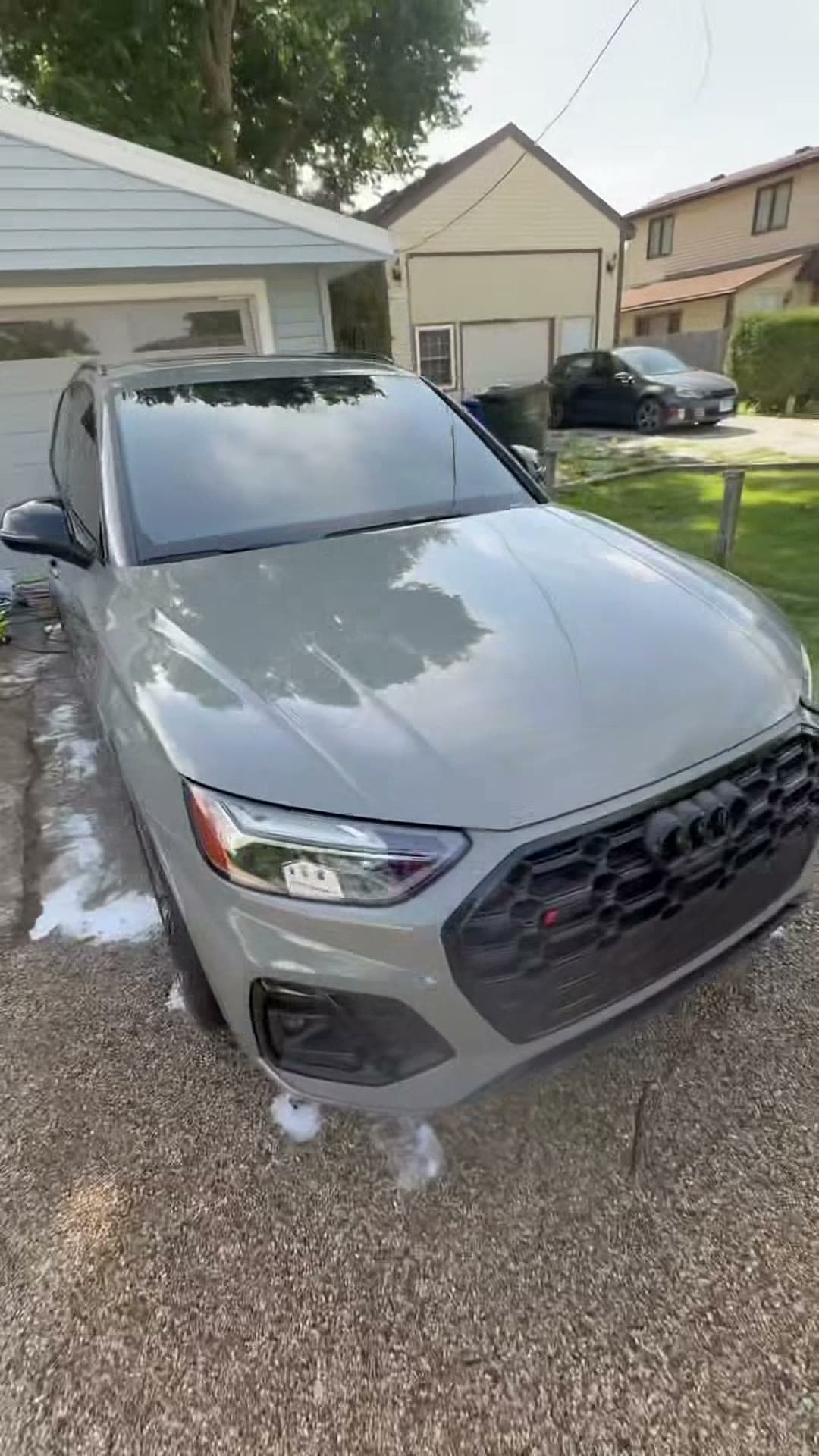
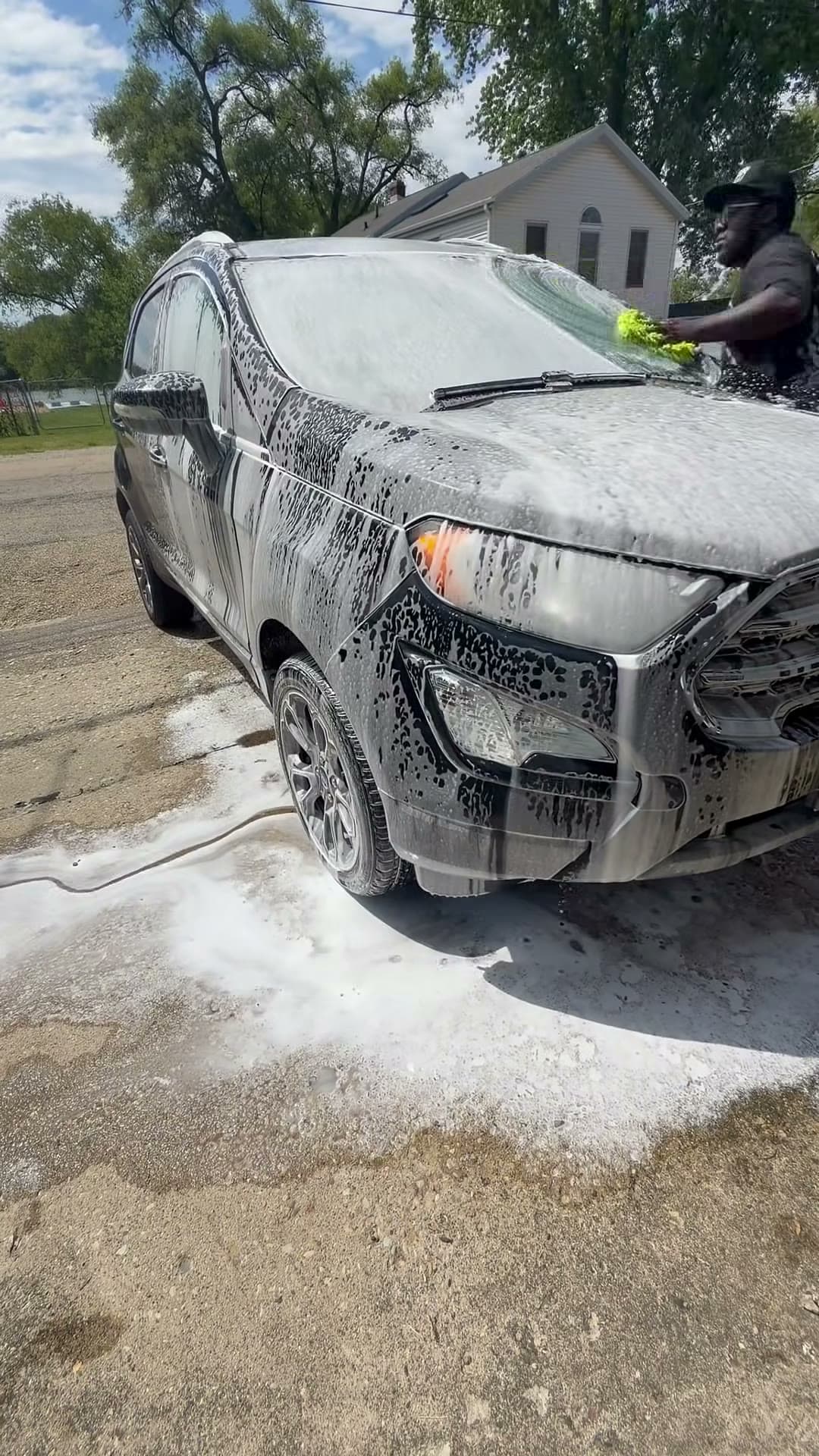
Illinois winter roads are actively treated with rock salt and liquid chemicals. Once the weather allows a safe mobile visit, the visible film on wheels and lower panels is a practical signal that the exterior deserves attention.
01
Why winter road film is common here
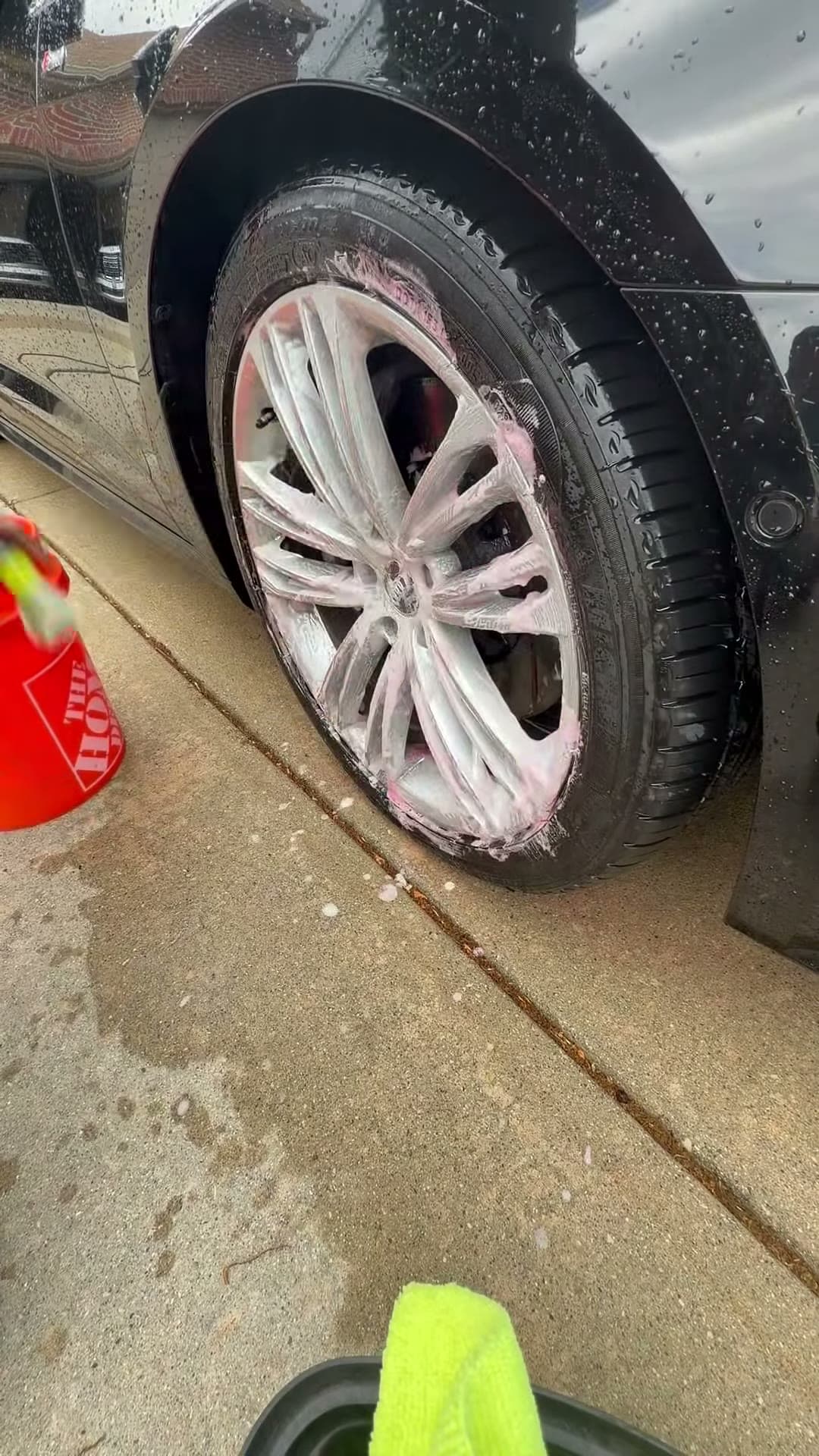
The Illinois Department of Transportation explains that road salt lowers the freezing point of water and that Illinois crews use rock salt along with liquid treatments such as salt brine. That treatment is important for travel, but it also explains why winter-driven vehicles can collect a pale film along wheel faces, rocker panels, lower doors, and the rear of the vehicle.
Look at what is actually on the car instead of following a rigid calendar. A vehicle that travels treated highways every day may show buildup sooner than one that stays parked during storms. Weather, road use, and where the residue sits all matter more than a universal number of days.
02
Wait for a workable service window
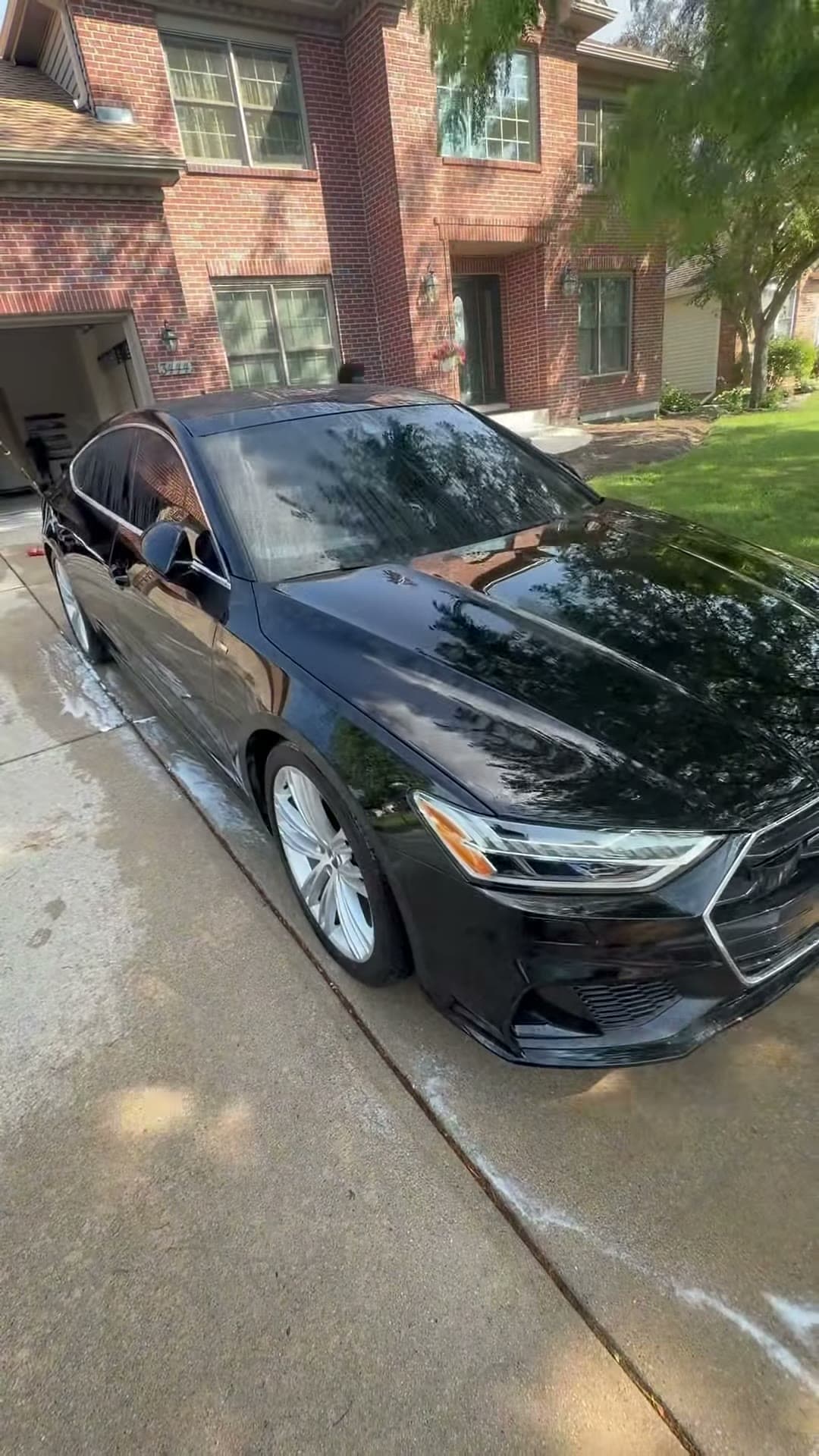
Winter care still needs a safe, approved mobile setup. Snowfall, freezing conditions, access, and the service surface can all affect whether a driveway visit makes sense. Send the address and current condition, then wait for confirmation rather than assuming the listed 24-hour status means every weather window is workable.
IDOT's winter guidance also reminds drivers that road conditions can change quickly. Safety comes before appearance. Clear snow and ice from the vehicle for safe travel, and discuss the exterior detail when the location and conditions support the work.
03
Match the service to the visible exterior
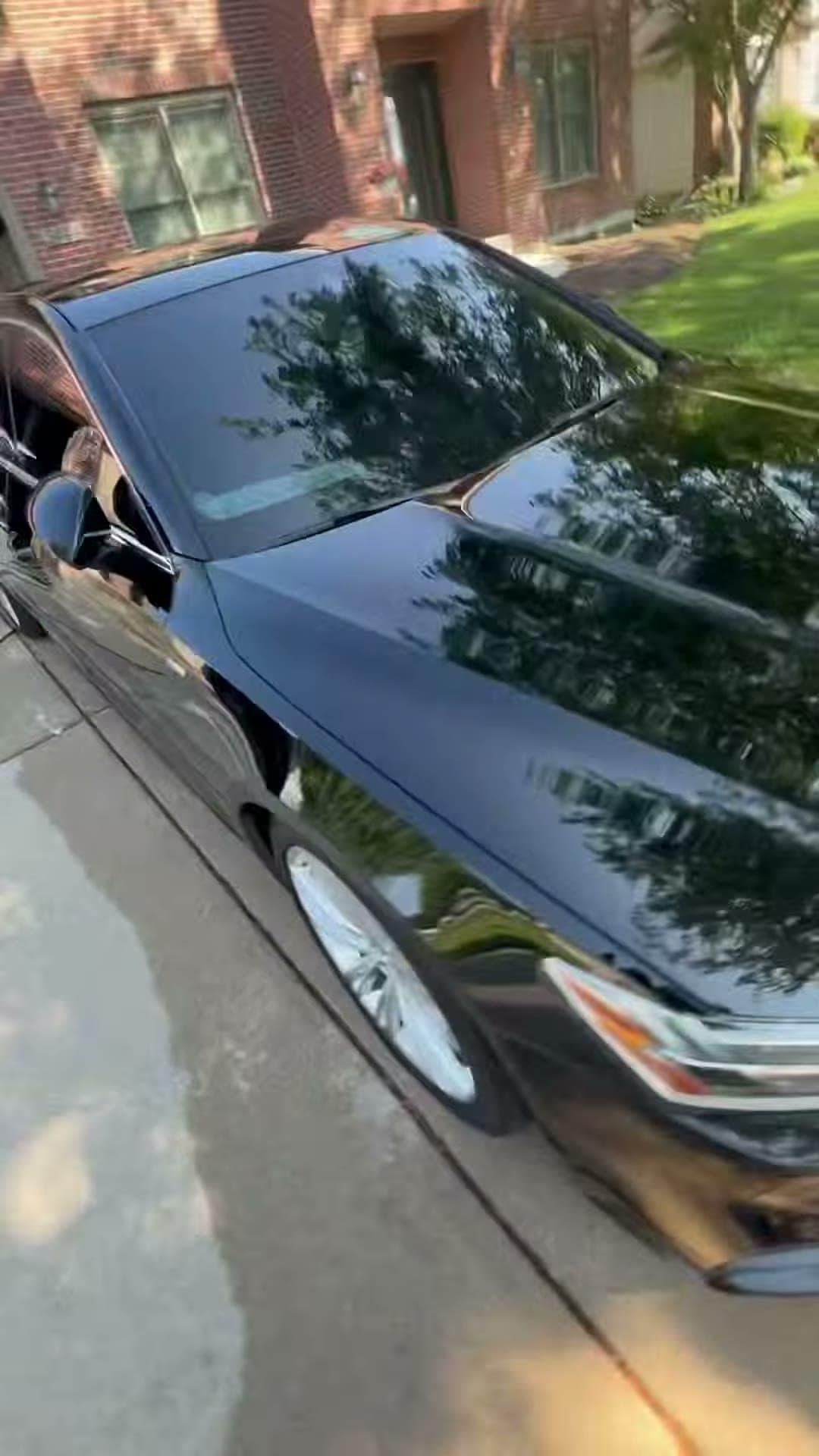
Our Premium Exterior Wash includes a full foam bath, ceramic sealant applied to the paint, deep wheel and tire cleaning, and tire shine. It is the direct package to consider when winter driving has made the outside the clear priority while the cabin remains acceptable.
If the exterior has more than ordinary road film, describe it. Bonded surface contamination may point to the listed decontamination and clay-bar add-on. Trim or exterior plastics may point to a separate dressing or protective-coating add-on. Do not assume those focused extras are automatically part of the core wash.
04
Use a simple winter walkaround
Check the vehicle in daylight from front to rear. Look at the wheels, lower doors, rocker area, rear hatch, mirrors, and glass. Note where film returns first after a storm cycle. That gives you a more useful condition description when you call or message us.
A short note can be enough: SUV, Elgin address, exterior package, heavy lower-panel and wheel film after winter driving. We can use that as the starting conversation for the mobile visit.
Sources
These links support the general guidance above; our package scope and service-area details come from our current public menu.
Common follow-ups
Quick answers.
Does the exterior package include clay-bar work?
No. Decontamination and clay-bar service are listed separately as an add-on. Mention bonded grime or rough-feeling paint when you contact us.
Can a mobile detail happen during any winter condition?
No appointment is automatic. Send the address and current conditions so the location and visit can be confirmed.